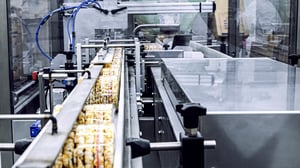
Serve Smarter Production Insights
Real-time alerts and downtime tracking help teams react instantly, identify root causes, and prevent repeat issues.
Maximise Throughput on Bottling, Packaging & Filling Lines. Live performance tracking and historical insights help fine-tune line efficiency, reduce micro-stops, and hit throughput targets.
Keep Your Lines Cooking
F&B lines need frequent sanitation and product changeovers, which eat into production time.
With FourJaw, you can measure how long changeovers (actually) take, benchmark shift performance, and spot where time can be saved.

Empower Frontline Teams
Operators often spot issues first but lack data to act or report effectively.
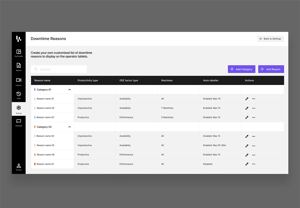
FourJaw empowers operators to log downtime reasons, surface issues, and support continuous improvement.
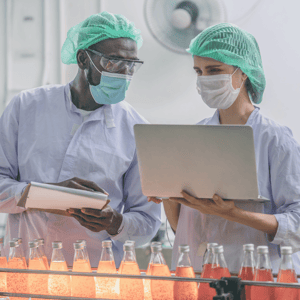

Factory Intelligence.
Starts Here.
What Makes FourJaw Essential for Food & Beverage Manufacturing?
FourJaw empowers Food & Drink manufacturers to achieve precision, efficiency, and data-driven insights.
FourJaw's Features
From SMEs to global manufacturers, FourJaw scales to your needs.
Explore our most popular platform features.
Gain capacity by improving processes and removing bottlenecks.

Simplify planning and communication for a more efficient factory floor.

Cut energy waste, streamline processes, and shrink your carbon footprint.
Ready to
Learn More?
See how FourJaw's plug-and-play analytics can help you turn machine data into real productivity gains. What would you like to do next?
Production line monitoring for Food and Beverage manufacturers FAQs
Production monitoring improves uptime by providing real-time visibility into the performance of mixers, fillers, conveyors, packaging lines, bottling equipment, and other critical production assets.
By identifying stoppages, slowdowns, and recurring downtime issues as they occur, manufacturers can respond faster, reduce production disruptions, and maintain continuous production. This helps food and beverage manufacturers improve machine utilisation, increase throughput, reduce waste, and maximise Overall Equipment Effectiveness (OEE).
Yes. Production monitoring helps food and beverage manufacturers reduce changeover times by tracking setup, cleaning, and product changeover activities in real time.
By measuring actual changeover durations, manufacturers can identify delays, standardise best practices, and optimise batch transitions across high-mix production environments. This helps increase line efficiency, improve machine utilisation, reduce downtime, and maximise production capacity while maintaining product quality and food safety standards.
Production monitoring helps maintain consistent product quality by providing real-time visibility into machine performance, cycle times, and production processes. This enables operators and production teams to identify deviations from standard operating conditions before they affect product quality.
By continuously monitoring equipment performance and production data, manufacturers can reduce variability, minimise defects, lower waste, and ensure products are produced consistently to specification. This helps improve quality control, increase yield, and support compliance with food safety and manufacturing standards.
Yes. Production monitoring supports food safety and compliance by creating a real-time, traceable record of machine performance, production activity, downtime events, and operational processes.
This data helps food and beverage manufacturers demonstrate compliance with industry standards and regulatory requirements, including HACCP, BRCGS, and other food safety frameworks. Accurate production records improve traceability, support audits, and help manufacturers quickly investigate quality or production issues when they occur.
By providing reliable, audit-ready production data, production monitoring helps manufacturers maintain compliance, strengthen quality assurance processes, and improve confidence in food safety performance.
Yes. Production monitoring helps food manufacturers reduce energy and operating costs by providing real-time visibility into machine utilisation, idle running, downtime, and energy consumption across processing and packaging lines.
By identifying unnecessary energy use, prolonged idle periods, and inefficient production processes, manufacturers can take targeted action to reduce electricity consumption, minimise waste, and improve operational efficiency. These insights help lower operating costs while maintaining production output, product quality, and food safety standards.
The result is improved profitability, reduced energy waste, and more sustainable manufacturing operations.